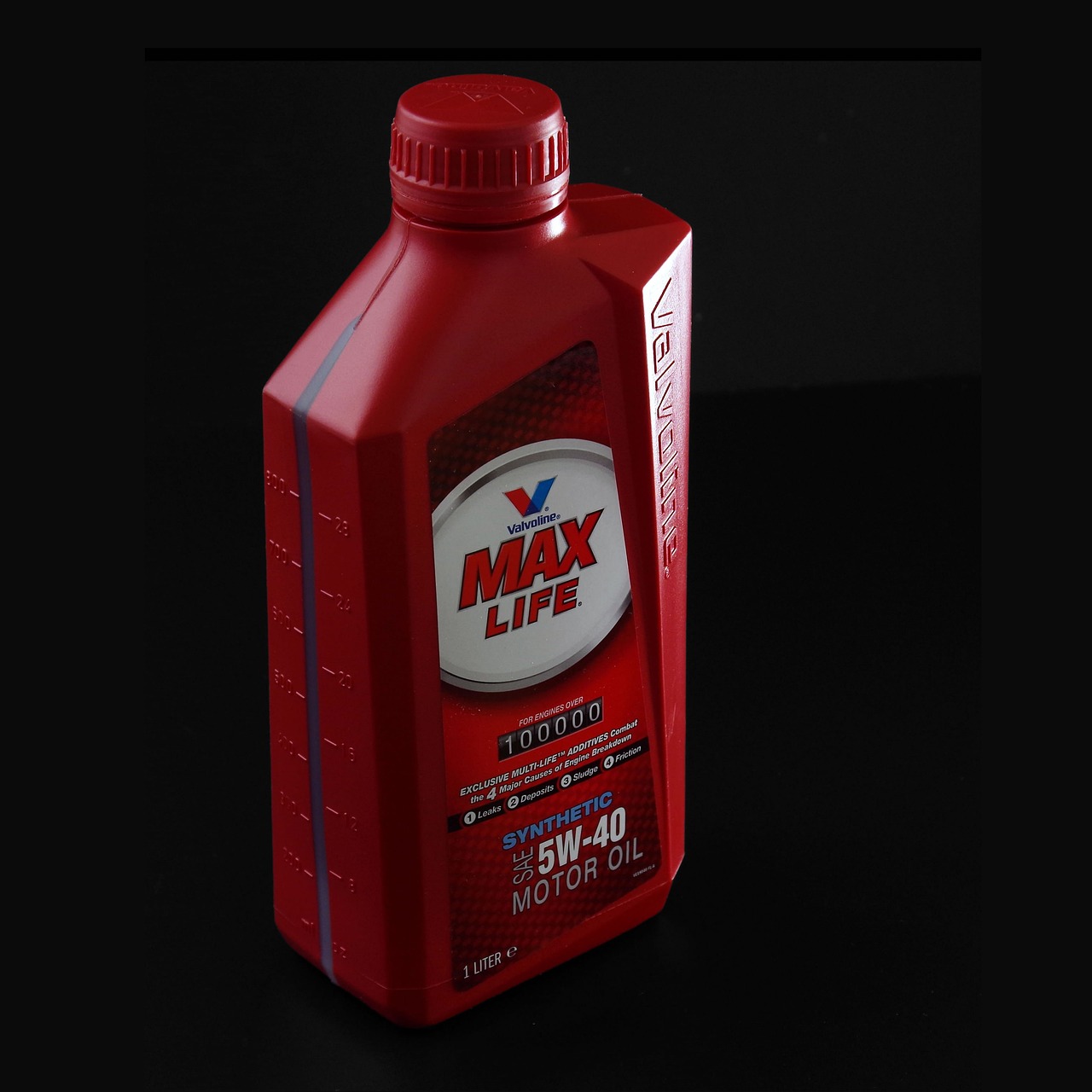
The right oil for your car is the one your owner's manual specifies. If the manual says synthetic is required, conventional isn't an option. If it allows more than one type, full synthetic generally protects better, a blend sits in the middle, and conventional is fine when the manual permits it and you change it on schedule.
That's the short version of synthetic vs conventional oil. The rest of this guide shows you how to read the manual, decode the bottle, weigh cost, and talk to a shop without getting upsold.
Short answer: what should you use?
Work through it in this order:
- Manual says synthetic is required. Use synthetic. Conventional is not an option.
- Manual says synthetic is recommended or lists several types. Full synthetic is generally the better-protecting choice. A blend or conventional may be acceptable, but check the exact wording.
- Manual allows conventional. It's fine if you keep up with changes, and especially if you drive lightly in mild weather.
- Your driving is hard on oil. Extreme heat or cold, short trips, towing and stop-and-go traffic all make synthetic more worthwhile, even when conventional is allowed.
Synthetic is not automatically necessary for every car. It is the safer default when you have a choice and the budget for it.
What's the actual difference between the oil types?
Motor oil is mostly base oil (the main liquid) plus additives, which are chemicals that help control wear, deposits, foaming and corrosion. The types differ mainly in the base oil. Additives matter just as much, which is why the label specs covered below matter more than marketing words.
Conventional
Conventional oil is refined from crude oil. It does the job in many engines, but its molecules are less uniform, so it generally breaks down faster under high heat and thickens more in cold weather than synthetic.
Synthetic blend
A blend mixes conventional and synthetic base oils. The percentage of synthetic is not standardized, so one brand's blend can differ a lot from another's. Treat a blend as a budget step up, not a guaranteed halfway point in performance.
Full synthetic
Full synthetic uses engineered base stock with more uniform molecules. It is generally more stable under heat and cold and resists breaking down longer. Manufacturers' own explainers, such as Pennzoil's overview of oil types (a Canadian version of its site) and Mobil's synthetic oil FAQs, describe the same general advantages. They are oil makers, so use them for definitions rather than as an impartial verdict.
A note on "high mileage" oil
"High mileage" is a separate label category, usually aimed at older engines with added seal-conditioning ingredients. It can be conventional, blend or synthetic. Check the base type on the bottle. AAA's guide to high-mileage oil is a useful neutral-leaning read if your car is older.
Step 1: Check what your car's manual says
Look in the maintenance or specifications section of your owner's manual. Many cars also print the viscosity on the oil filler cap, and the manufacturer's website often hosts a digital manual.
Required vs. recommended
Wording matters:
- Required (or "must use"): not optional. Follow it exactly.
- Recommended: the manufacturer's preferred choice. Other oils may work, but you're stepping outside the best-case plan.
- Acceptable or allowed: the manual lists alternatives you can use.
Turbocharged engines, direct-injection engines and many newer designs commonly call for synthetic, but confirm that in your manual rather than assuming.
Using oil that doesn't meet the spec your manual lists can complicate a warranty claim if an engine problem arises. Your warranty booklet spells out what your coverage expects, so read it. If you do your own changes, keep receipts for the oil and filter. If a shop does them, keep the invoices.
How to read the oil bottle label
Match three things from your manual to the bottle:
- Viscosity grade, such as 0W-20. Viscosity is how thick the oil is and how it flows. The number before the W (for winter) relates to cold flow; the second number relates to thickness at operating temperature. Match the grade your manual lists, whatever the oil type.
- API marks. API is the American Petroleum Institute, and its symbols on the bottle show the viscosity grade and the service category, a code for the performance standard the oil meets. Some bottles also carry the API "starburst," a certification mark showing the oil is certified to a current API standard. Use the service category your manual lists or a newer one it says is compatible.
- Manufacturer approvals. Some automakers require their own specs, such as GM's dexos. If your manual names one, the bottle needs to say it meets that spec. Only worry about approvals your manual actually lists.
Step 2: When synthetic is worth it even if conventional is allowed
Severe driving conditions
Many manuals define "severe" or "special" service. Check yours for the exact list, but typical examples include:
- Frequent short trips where the engine rarely fully warms up
- Stop-and-go city driving
- Towing or hauling heavy loads
- Very hot or very cold climates
- Dusty roads
If any of these describe your routine, synthetic's heat and cold stability is a practical benefit. Older engines can benefit too, though check the manual and ask a mechanic about your particular engine.
Synthetic may allow longer intervals, but only follow the interval in your manual or your car's oil life monitor. Don't stretch it on your own.
Cost per change vs. cost per mile
Synthetic costs more per change. Whether it costs more per mile depends on how often you change it. Here is the logic, with clearly hypothetical numbers:
- Oil A costs $40 per change and, in this example, is changed every 5,000 miles (your manual's interval may differ). That's $0.008 per mile.
- Oil B costs $70 per change and, in this example, is changed every 10,000 miles (again, your manual's interval may differ). That's $0.007 per mile.
Those numbers are made up to show the math, not real prices or typical intervals. Real costs vary by vehicle, oil capacity, region and shop. Also, a longer interval only counts if your manual or monitor actually permits it for your car and driving. Plug in the quotes you get and your manual's intervals to compare.
When conventional or a blend makes sense
Conventional can be a sensible choice when:
- Your manual allows it
- The engine is an older, simple design
- You drive lightly in moderate weather
- You're budget-conscious and change oil on schedule
A blend works as a budget upgrade, with the caveat that quality varies because there's no standard synthetic percentage. Whatever you choose, don't stretch intervals on conventional. Skipping changes costs far more in engine wear than you save on oil.
Common myths and questions
Can you switch from conventional to synthetic? Generally yes. Just match the viscosity and specs in your manual.
Can you mix them? Mixing is generally not harmful because the oils are compatible, but it dilutes synthetic's benefits, so treat it as a stopgap. Match viscosity and spec, check your manual, and top off rather than running low.
Does synthetic cause leaks? Not by itself. A worn seal can show a leak with any oil, and it may become noticeable after a change. If you see drips, have a mechanic look.
Do you need to change oil every 3,000 miles? Not as a rule. Follow your manual's schedule or the oil life monitor.
Can you switch back to conventional? Only if the manual permits conventional for your engine.
What to say at the shop
Try this script: "Please use the oil type, viscosity and specification listed in my owner's manual. Can you tell me the brand and spec you're using, and note it on the invoice?"
Then:
- If they suggest a "premium" package, ask where your manual calls for it. If it doesn't, you can decline politely.
- If they say you're due early, compare that to your manual or oil life monitor.
- Keep the invoice with your service records.
Quick checklist before you pay:
- Viscosity matches the manual
- Oil type is allowed by the manual
- Any required approval (such as dexos) is met
- Invoice lists the oil used
- Next-change reminder matches the manual or monitor
When to see a mechanic
Get your car checked if you notice:
- An oil pressure or oil warning light (stop driving safely and check the level)
- A burning oil smell or blue smoke from the exhaust
- Visible drips or leaks under the car
- You're adding oil between changes frequently
- Your manual's oil spec is unclear or unavailable
- Concerns about a high-mileage engine
- Questions about whether an oil choice affects your warranty
Next steps
Open your owner's manual and find the oil section. Write down the viscosity, type wording (required, recommended or allowed) and any named spec. Then compare quotes using your manual's interval, not a sticker's. If you're still unsure, call a dealer service department and ask what the manual requires for your exact engine.
Frequently asked questions
Is synthetic oil really better than conventional oil?
Generally it resists heat and cold breakdown better, but the best oil is the one your manual specifies. Conventional is fine where the manual permits it and you change it on schedule.
Can I switch from conventional to synthetic oil?
Generally yes. Match the viscosity and specs listed in your manual.
Can I mix synthetic and conventional oil?
Mixing is generally not harmful because oils are compatible, but it dilutes synthetic's benefits. Match viscosity and spec, and check the manual.
Does my car require synthetic oil?
Check your owner's manual. Turbocharged, direct-injection and many newer engines commonly call for it, but only your manual can confirm.
Is a synthetic blend worth it?
It can be a budget step up from conventional, but quality varies because there is no standard synthetic percentage. Make sure your manual allows a blend and that it meets the listed viscosity and spec.
How often should I change synthetic oil?
There is no universal number. Follow the interval in your owner's manual or your car's oil life monitor, and don't stretch it on your own.
Will synthetic oil cause leaks in an older car?
Not by itself. Worn seals can leak with any oil. If you see drips, have a mechanic inspect it.
Can using conventional oil void my warranty?
Only if your manual requires synthetic or the oil doesn't meet the listed spec. Check your warranty booklet and keep records.
This article was drafted with AI assistance and passed an automated accuracy and quality review before publishing. Spotted an error? Tell us and we'll fix it.