For dealer service vs independent mechanic for routine maintenance, the short answer is that either can do the job, and the shop's quality matters more than the sign out front. A reputable independent shop is often less expensive and, under US law, generally won't put your warranty at risk for routine work. Save the dealer for recalls, warranty repairs, and brand-specific problems.
What really decides it is three things: whether your car is under warranty, what kind of vehicle you drive, and how good the specific shop is.
Short answer: which should you choose?
Here is the quick version:
- Routine maintenance (oil, filters, tire rotation, brake checks): a dealer or a trustworthy independent shop. Compare them on cost, convenience, and trust.
- Recalls and warranty repairs: the dealer. These are generally handled at no charge there.
- Complex, brand-specific, or software-related problems: the dealer is often the safer first stop.
- Older car, out of warranty: an independent shop is usually the practical choice.
The rest of this guide explains why, and gives you checklists so you can decide with confidence.
What counts as routine maintenance
Routine maintenance is the scheduled upkeep your car needs to keep running well. Typical items include:
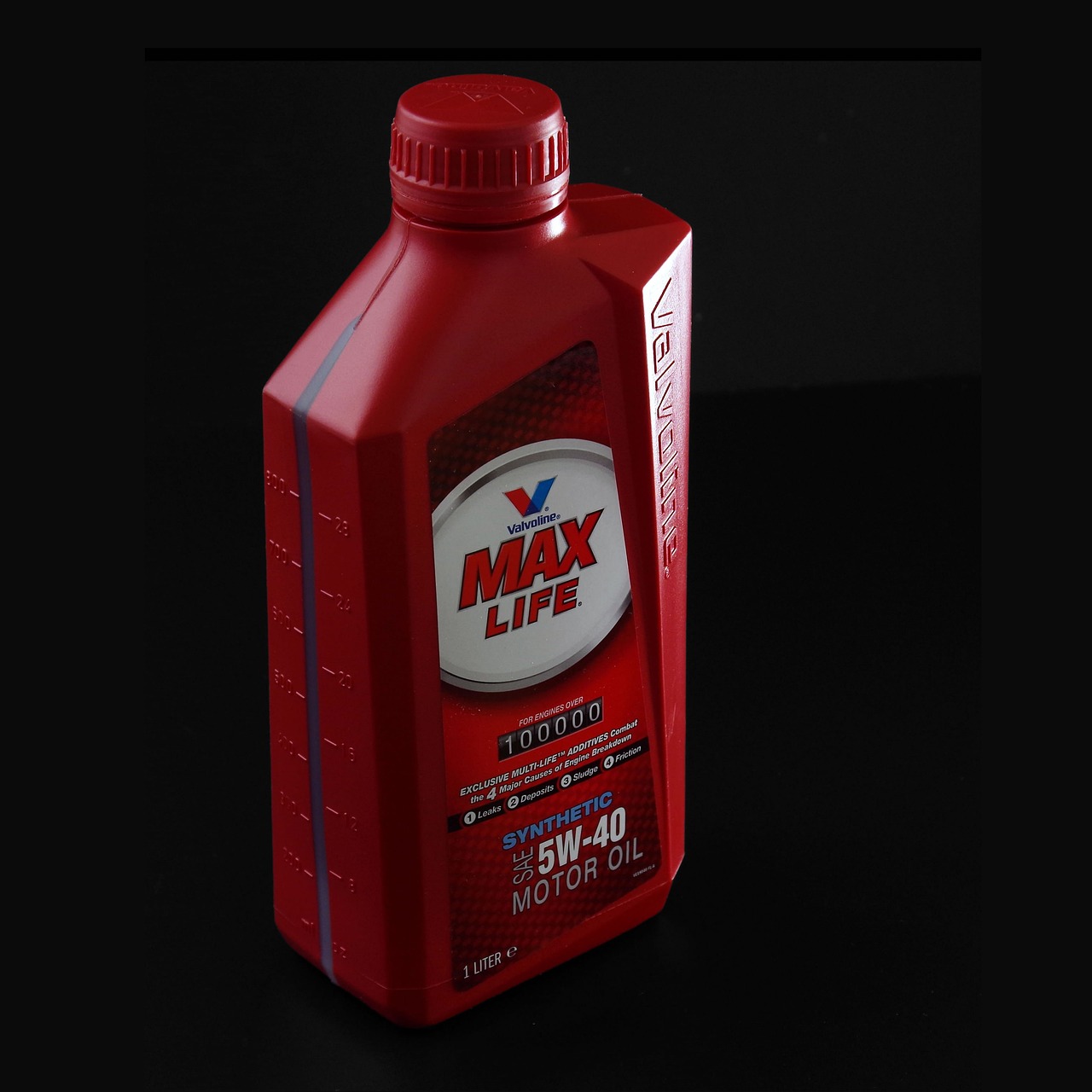
- Oil and filter changes
- Tire rotation
- Cabin air filter and engine air filter replacement
- Fluid checks, top-offs, and scheduled fluid changes
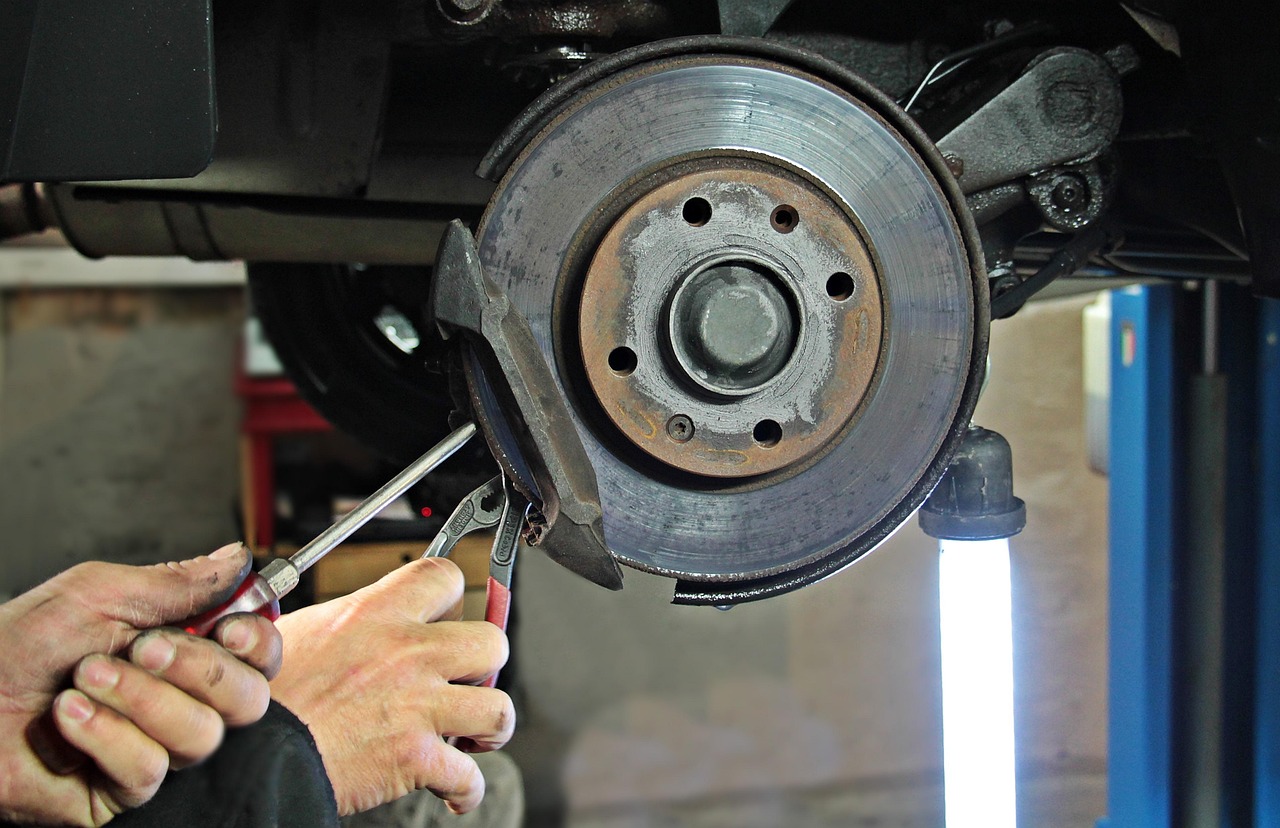
- Brake inspections
- Battery tests
These services are laid out in your owner's manual by mileage or time. They are not usually model-specific mysteries, which is why many shops can do them well.
Routine work is different from three other things: warranty repairs (the manufacturer pays for a covered defect), recalls (a safety or compliance fix the manufacturer must provide), and diagnosing tricky electronic problems. Those often call for factory tools or information, and that is where the dealer earns its place.
Will using an independent shop void your warranty?
No, not by itself. This is the most common worry for new owners, and it is largely a misconception.
What the law says in plain English
The Magnuson-Moss Warranty Act is the federal law covering consumer product warranties. The Federal Trade Commission (FTC) has said that, under this law, a manufacturer or dealer generally cannot void your warranty or deny coverage just because someone other than the dealer did your routine maintenance, or because aftermarket parts were used.
The FTC's consumer alert on warranty restrictions is aimed at practices such as "warranty void if removed" stickers and clauses that say service must be done only at the dealer. The law also has an exception: where the manufacturer provides a part or service free of charge under the warranty, it can generally require you to use its own.
This is general information, not legal advice. Your own warranty document spells out your specific coverage.
When your warranty could actually be at risk
The protection has limits. If a shop's work or a part it installed actually causes a failure, the manufacturer may decline to cover that damage. Examples include the wrong oil spec, an overfilled or underfilled system, or a poorly installed part.
Maintenance also needs to follow the manual's schedule and specifications. Skipping services or using the wrong fluid can give a manufacturer a legitimate reason to question a claim.
Two other exceptions:
- Free or prepaid maintenance plans. If your new car includes complimentary service visits or you bought a prepaid plan, the terms may require you to use the dealer or certain locations. Read them.
- Leased vehicles. Your lease may have its own maintenance requirements. Check the paperwork.
Records to keep (checklist)
If a manufacturer ever questions a claim, especially on an engine or transmission, records show you took care of the car. Keep these for every service:
- A receipt or invoice with the shop's name and contact details
- The date of service
- The odometer reading (mileage)
- A list of the services performed
- The fluid type and specification (for example, the oil viscosity and any required standard)
- Part descriptions or part numbers for anything replaced
- Your own notes, such as the manual page you followed
Keep them in one folder, paper or digital. Photos of invoices work fine as a backup.
If a dealer or manufacturer tells you that using an independent shop voids your warranty, you can report it to the FTC at ReportFraud.ftc.gov.
Dealer vs independent: side-by-side comparison
| Factor | Dealer | Independent shop |
|---|---|---|
| Typical cost | Often higher | Often lower, but varies by region and shop |
| Parts | Typically OEM or manufacturer-approved parts | OEM or aftermarket, depending on the shop |
| Brand tools and training | Factory training, software, and tools | Varies; some specialize in your brand |
| Convenience | Loaners, shuttles, waiting areas | Flexible scheduling, direct contact |
| Communication | Usually through a service advisor | Often with the owner or technician |
| Recalls and warranty work | Yes | Generally not; recall and warranty repairs are done at authorized dealers |
Cost and parts
Independent shops often charge less for labor and offer a wider range of parts, but prices vary by vehicle, region, and shop. Get quotes for your own car rather than relying on general claims.
Two terms are worth knowing:
- OEM (original equipment manufacturer) parts are made by or for your car's manufacturer, to the same specification as the parts the car was built with.
- Aftermarket parts are made by other companies. Quality ranges from excellent to poor, so brand and reputation matter.
You do not have to use OEM parts to keep your warranty in general. But if a part fails and damages something else, coverage for that damage can be questioned. Ask what a shop is installing and who makes it.
Training, tools, and expertise
Dealers have factory training, manufacturer software, and tools, and their technicians see the same models all day. That helps with unusual faults and software updates.
Good independents can have broad experience across many makes, and some specialize in one brand. Look for ASE certification, which is a credential from the National Institute for Automotive Service Excellence showing a technician passed tests and has work experience.
Convenience and communication
Dealers often offer loaner cars, shuttles, and comfortable waiting areas. Independents may offer more flexible scheduling and the chance to talk directly to the person working on your car. Neither is automatically better. It depends on what you value.
Upselling risk at both
Both types of shop can push extra services. The fix is the same everywhere: use your owner's manual. If someone recommends a service, ask where it appears in the manufacturer's schedule for your mileage. A reasonable shop can answer that.
Which to pick in your situation
| Your situation | Best choice | Why |
|---|---|---|
| Brand-new car with free maintenance included | Dealer for the free visits | Plan terms may require it; you don't pay for those visits |
| Under warranty, no free service | Either | Keep records and follow the manual |
| Out of warranty | Independent, usually | Often more affordable and flexible |
| Recall | Dealer | Recall repairs are generally done free at authorized dealers |
| Warranty repair, software update, or technical service bulletin | Dealer | Manufacturer-authorized work and tools |
| EV or hybrid | Check training first; dealer may be safer for high-voltage work | Special equipment and safety procedures |
| Leased vehicle | Check your lease | May set maintenance requirements |
Recalls
Recalls are safety or compliance fixes, and they should never be skipped. You can search by your 17-character vehicle identification number (VIN) on the National Highway Traffic Safety Administration's recall lookup at nhtsa.gov/recalls. Your VIN is on the dashboard near the windshield and on your registration and insurance card. If a recall is open, call a dealer for your brand to schedule the repair.
EVs and hybrids
Electric vehicles need less routine service because they have no engine oil to change. But they still need tire rotations, brake checks, cabin filters, and coolant and brake fluid service on the schedule in your manual.
High-voltage systems carry real shock risk, so only technicians trained to work on them should touch those parts. Before using an independent shop, ask whether it has trained staff and the right equipment for your EV or hybrid. If you can't get a clear yes, the dealer is the safer choice.
Free and prepaid maintenance
Some new cars include a number of free service visits. If you want that value, the dealer is often where you use it. Read the plan to see what it covers, how long it lasts, and whether it requires specific locations.
How to vet an independent shop (first-timer checklist)
Finding a good shop before you need an urgent repair is worth the effort. Start with these checks:
- Look for ASE certification on the wall or the shop's website.
- Read reviews across several sources, not just one site.
- Check for complaints with the Better Business Bureau or your local consumer protection office.
- Ask friends, coworkers, or neighbors with the same brand of car who they trust.
- Try a small job first, such as an oil change, to see how they communicate and treat you.
For additional reading on finding a shop, Clark Howard's guide to finding a good mechanic and Jalopnik's comparison of dealership and independent service cover the tradeoffs from other angles.
Questions to ask
- Do you work on my make and model regularly?
- Will you follow the service schedule in my owner's manual?
- Will you give me a written estimate before starting?
- Will you call me before doing any extra work?
- Do you warranty your parts and labor, and for how long?
- Can I have the old parts back?
- Which brand of parts do you use, and are they OEM or aftermarket?
Red flags
- Vague or verbal-only estimates
- High-pressure "do it today or it's unsafe" sales tactics without explanation
- Refusing to show you the worn or damaged part
- No written estimate or invoice
- Unwillingness to say what fluid or part they are using
How to get a fair deal at either place
You do not need to be a car expert to avoid overpaying. You just need a script and your manual.
- Open your owner's manual to the maintenance schedule for your current mileage. Many manuals also list a separate severe-service schedule for conditions like frequent short trips, towing, dusty roads, or extreme heat or cold. If that describes your driving, use that schedule.
- Ask for the items listed for that interval, plus anything you have a specific reason to address, such as a known problem. For example: "I'd like the services my manual lists at 30,000 miles. Can you quote those?"
- Request an itemized written estimate showing parts and labor separately.
- For bigger jobs, get two quotes using the same list of work so you can compare fairly.
- Question "packages" and "flushes" you can't match to the manual. Ask, "Where is this in the manufacturer's schedule, and why does my car need it now?"
- Get a printed invoice showing mileage, services, and fluid or part specifications.
Comparing quotes this way keeps the focus on the work, not on a shop's bundle names. Costs vary by vehicle and region, so quote-to-quote comparisons for your own car beat any general number.
If a shop recommends something beyond the manual, that is not automatically a scam. A worn belt or leaking part is a real finding. Ask to see it and ask what happens if you wait.
The mixed approach many drivers use
You do not have to pick one forever. A common approach is:
- Dealer for recalls, warranty repairs, software updates, and complex electronic or brand-specific issues
- Trusted independent shop for oil changes, brakes, tires, and filters
Whichever you choose, keep every invoice in one folder. That folder protects you if a warranty question ever comes up and helps when you sell the car.
Next steps
- Check your VIN for open recalls at nhtsa.gov/recalls.
- Read the warranty and any free-maintenance terms that came with your car.
- Find the maintenance schedule in your owner's manual and mark your next service.
- Shortlist one independent shop and try it on a simple job.
- Start a records folder today.
Frequently asked questions
Does getting an oil change at an independent shop void my car warranty?
Not by itself. The FTC says a manufacturer or dealer generally cannot void your warranty just because someone else did routine maintenance. Use the right oil spec, follow the manual's schedule, and keep your receipts.
Is dealer service worth the extra cost for routine maintenance?
Sometimes. It makes sense for free included maintenance, recalls, warranty repairs, and complex brand-specific issues. For basic routine work, a reputable independent shop is often a reasonable choice.
Do I have to use OEM parts to keep my warranty?
Generally no. Aftermarket parts alone shouldn't void your warranty, but if a part causes damage, that damage may not be covered. Ask what parts a shop is installing.
Do I need to service my car at the dealer to get free maintenance included with a new car?
Often, but check your plan. Free visits are commonly provided through the dealer or specific locations, and the terms may require it. Read the plan for details.
What records should I keep to prove I maintained my car?
Keep invoices showing the shop, date, mileage, services done, and fluid or part specs. Store them in one folder, paper or digital.
How do I find a trustworthy independent mechanic?
Look for ASE certification, read reviews across several sources, and ask people who drive the same brand. Then try a small job, like an oil change, before trusting the shop with bigger repairs. The vetting checklist above has questions to ask and red flags to watch for.
Should I take my EV or hybrid to the dealer for service?
Routine items like tire rotations may be fine elsewhere, but high-voltage work needs trained technicians and proper equipment. If an independent shop can't show that, use the dealer.
Can an independent shop do my recall repair?
Recall repairs are generally done free at authorized dealers, so use the dealer. Independent shops typically aren't authorized to perform them. Check your VIN at nhtsa.gov/recalls and call a dealer if one is open.
This article was drafted with AI assistance and passed an automated accuracy and quality review before publishing. Spotted an error? Tell us and we'll fix it.