The basic tools every new car owner should have are a tire pressure gauge, a flashlight, jumper cables or a portable jump starter, a few hand tools, and your owner's manual. The essentials split between your glovebox and trunk for roadside needs, plus a small box at home for simple fixes. That is enough to check your car, handle common roadside problems, and make small repairs. You do not need a full mechanic's chest to be a capable owner.
Tools are only part of being prepared. Knowing what to check, and when to call for help, matters more than what is in your trunk. This guide sorts everything into three tiers by how often a beginner will really use it.
The short answer: what to buy first
- Tier 1, keep in the car: tire pressure gauge, tread depth gauge, flashlight, jumper cables or jump starter, 12V tire inflator, work gloves, rags, a first-aid kit, and reflective triangles.
- Tier 2, small kit at home: a basic socket set, screwdrivers, pliers, an adjustable wrench, a funnel, and possibly an OBD-II reader.
- Tier 3, only if you plan to DIY: a torque wrench, jack stands, wheel chocks, and a few job-specific tools.
Buy Tier 1 first. Add Tier 2 when you have a reason to. Leave Tier 3 until you have a job in mind and the know-how to do it safely.
Before you buy anything: check what came with your car
Your car already has some of what you need. Look through these before spending money.
- Owner's manual. It lists tire pressure, fluid types, fuse locations, jack points, and service intervals for your exact vehicle. Keep it in the car.
- Jack and lug wrench. Many cars ship with a factory jack and a lug wrench. A lug nut is the nut that holds the wheel on, and the lug wrench is the tool that turns it. Find them (often under the trunk floor) and check they are all there. The factory wrench may already do the job on a flat, so you may not need to buy another.
- Spare tire or inflator kit. Some cars have a full or compact spare. Others have only a sealant-and-inflator kit, and some have neither. Your manual says which applies to you.
- Locking wheel nut key. If your wheels have locking nuts, the special key must stay in the car. Without it you cannot remove the wheel.
- Tire placard. This sticker lists the recommended tire pressure for your car. It is usually on the driver's door edge or doorpost. Some vehicles put it elsewhere, so check your manual if you cannot find it. NHTSA covers this in its tire safety guide.
Tier 1: Keep in the car
Tire pressure gauge
What it's for: Checking pressure in psi (pounds per square inch). NHTSA advises checking at least monthly, when the tires are cold, meaning the car has sat for a few hours or been driven only a short distance. See NHTSA's tire pressure brochure for details.
What to look for: A gauge that is easy to read and reads accurately in the range your tires use. Digital and dial types both work.
Safety note: Inflate to the number on the placard or in the manual, not the maximum printed on the tire sidewall. The sidewall number is the tire's limit, not your car's target.
Tread depth gauge
What it's for: Tread depth is how deep the grooves in your tire are. Shallow grooves grip poorly, especially on wet roads.
What to look for: A simple gauge that reads in 32nds of an inch. The common legal minimum in most US states is 2/32 inch, though you may want to replace tires before that point.
A penny test is a rough backup. Put a penny into a groove with Lincoln's head going in first. If the top of his head is fully visible, the tread is at or near 2/32 inch and the tire is worn out. It is only a rough check, so when in doubt, have a tire shop measure it.
Flashlight or headlamp
What it's for: Seeing under the hood or around a tire at night. A headlamp leaves both hands free.
What to look for: Something bright enough for close work, with spare batteries stored alongside. Your phone light is a fine backup, but not your only plan.
Jumper cables or a portable jump starter
What it's for: Restarting a car with a dead battery.
What to look for:
- Cables: Long enough to reach between cars parked in awkward positions, and thick enough to carry current well (a lower gauge number means thicker wire). They need a second running car.
- Jump starter: A portable battery pack that needs no second car. It must be kept charged, so check it every few months.
Which is better? A jump starter is more convenient and works when you are alone. Cables cost less and never need charging, but you need another driver. Either is a reasonable choice.
Safety note: Follow your car's manual, which shows the correct connection points and order. If you use a jump starter, follow its own instructions too. Keep the clamps from touching each other, and keep sparks and flames away from the battery. If the battery is cracked, leaking or frozen, do not try to jump it. Call for help instead.
Portable tire inflator and sealant kit
What it's for: A 12V inflator plugs into your car's power outlet and tops up a low tire. It helps with slow leaks and monthly pressure adjustments.
What to look for: A built-in gauge and a cord long enough to reach all four tires. If your car came with a sealant kit instead of a spare, follow the manual for its use. Sealant is a temporary fix. Get the tire inspected afterward.
Work gloves, rags, and a first-aid kit
Gloves protect your hands from hot, dirty, or sharp parts. Rags or paper towels handle dipstick wiping and spills. A basic first-aid kit covers small cuts and scrapes.
Reflective triangles and a high-visibility vest
What it's for: Making you visible if you have to stop on a road shoulder. Place triangles behind the car if it is safe to step out. If traffic is close, stay in the car with your seatbelt on and call for help.
Manual, pen and paper, and a phone charger
Keep the owner's manual in the car. A pen and paper help for noting details after a breakdown or accident. A charging cable keeps your phone usable when you need to call for help.
Adjust for your climate
Kits vary by where you live. In cold or snowy regions, many drivers add an ice scraper, a blanket, and warm layers. In hot regions, extra drinking water is worth carrying. Think about your own commute and weather.
Tier 2: A small kit at home
These handle simple jobs like topping off fluids, tightening a loose cover, or loosening a stubborn bolt.
- Socket and ratchet set. A socket fits over a bolt head, and a ratchet turns it. Most modern cars use mostly metric sizes, but check your car, since some older or imported models differ. A basic set in common sizes is enough.
- Screwdrivers. Get Phillips (cross-shaped) and flathead types in a couple of sizes.
- Pliers and an adjustable wrench. Handy for clamps, connectors, and odd-sized nuts.
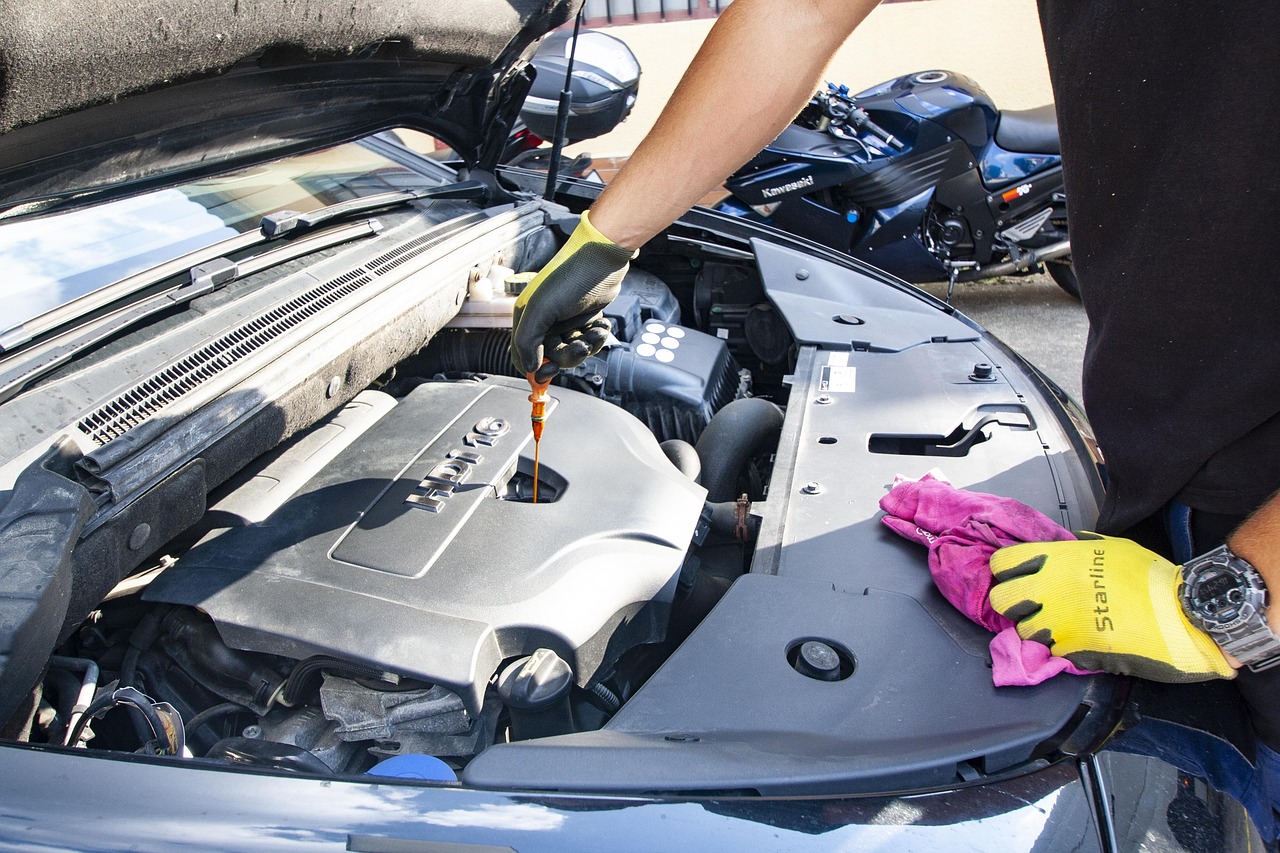
- Funnel and a clean rag. A funnel prevents spills when adding fluid. A rag lets you wipe the dipstick for an accurate reading.
Breaker bar or tire iron: keep in the trunk if it fits
A longer handle gives leverage for stuck lug nuts, and you need it at the roadside, not in a garage. If your factory lug wrench works well, that may be all you need. If you add a breaker bar, keep it in the trunk with the jack. Practice loosening your lug nuts once at home, on level ground, so the first try is not on a dark roadside.
Why an OBD-II reader is worth considering
OBD-II stands for On-Board Diagnostics, second generation. Most cars sold in the US since 1996 have a port, usually under the dashboard near the steering column. An OBD-II reader plugs in and shows the trouble codes that triggered a warning light, such as the check engine light.
It is useful because you learn what the car reported before you call a shop. It also has limits. A code points to a system or circuit, not always to the failed part. It is not a full diagnosis. Never clear codes to make a light go away. That hides a problem rather than fixing it, and the light will come back.
Fluids to know, not stock blindly
Oil, washer fluid, and coolant come in different types. Use only what your manual specifies. Buy when you need it rather than filling a shelf.
Tier 3: Only if you plan to DIY
- Torque wrench. Torque is the twisting force applied to a fastener, and a torque wrench lets you tighten to a specific value. You need one if you mount your own wheels or work on any bolt where your manual lists a torque spec. If you only ever call roadside help, you can skip it. Whoever mounts your wheels, ask that lug nuts be tightened to the manual's spec.
- Jack stands and wheel chocks. Jack stands hold a car up securely once it is raised. Chocks are wedges that stop wheels from rolling.
- Oil filter wrench and drain pan. Only for those doing oil changes.
- Multimeter. Measures battery voltage and electrical continuity. Useful for tracing a repeating battery issue, but not necessary early on.
Safety note: Never get under a car supported only by a jack. A jack is for lifting, not holding. Use jack stands rated for the vehicle, on solid, level ground, at the lift points shown in your manual. If you are unsure, hire a professional.
What you can skip for now
- Giant mega-kits with dozens of pieces you will never touch.
- Specialty tools for jobs you will not do.
- Cheap hydraulic jacks bought to hold a car up while you work underneath. This is not about the factory jack that came with your car, which is fine for changing a flat tire but not for working under the car.
- Anything involving brakes, fuel systems, or airbags unless you have proper training. Mistakes there can be dangerous.
Safety basics for using these tools
- Park on level ground, set the parking brake, and chock the wheels when changing a tire.
- For jump-starting, follow the manual for connection points and order.
- Do not open a radiator cap on a hot engine. Hot coolant can spray out and burn you.
- Wear gloves and keep loose clothing away from moving parts.
- When you are unsure, call roadside assistance or a mechanic.
When to see a mechanic
A tool kit helps with the basics. It does not replace diagnosis. Get professional help for:
- A warning light that stays on or flashes
- Any brake problem, such as soft pedal, grinding, or pulling
- A battery that keeps dying
- Fluid leaks under the car
- Anything that requires working underneath the vehicle beyond simple checks
Simple starter checklist
In the car:
- Owner's manual, pen, and paper
- Tire pressure gauge and tread depth gauge
- Flashlight or headlamp with spare batteries
- Jumper cables or a charged jump starter
- 12V inflator or sealant kit (per your manual)
- Gloves, rags, first-aid kit
- Reflective triangles and a vest
- Factory jack and lug wrench, plus a breaker bar if you want one
- Phone charger, plus climate-specific items
At home:
- Basic socket and ratchet set
- Screwdrivers, pliers, adjustable wrench
- Funnel and clean rags
- Optional: OBD-II reader
Start with the car's own jack, wrench, and manual, add Tier 1, and build from there only when a real job calls for it.
Frequently asked questions
What tools should I keep in my car at all times?
A tire pressure gauge, flashlight, jumper cables or jump starter, gloves, rags, a first-aid kit, reflective triangles, a phone charger, and your owner's manual. Small items fit in the glovebox and the rest in the trunk. Add climate items such as an ice scraper and blanket if you need them.
Do I need a full mechanic's tool set as a new car owner?
No. A small hand-tool kit and the Tier 1 roadside items cover most beginner needs. Add specialty tools only when you have a specific job in mind.
Is a jump starter better than jumper cables?
A jump starter is more convenient because it works without another car, but it must be kept charged. Cables cost less and need no charging, but require a second vehicle. Follow your manual either way, and do not jump a battery that is cracked, leaking or frozen.
How often should I check tire pressure?
Monthly at minimum, with the tires cold. Use the pressure on the tire placard or in your manual, not the sidewall maximum.
What should I do if my car has no spare tire?
Check your manual for what the car includes, often a sealant and inflator kit. Keep a 12V inflator, know your roadside assistance number, and have the tire inspected after any temporary fix.
Do I need a torque wrench for lug nuts?
Not unless you mount your own wheels. A torque wrench lets you tighten lug nuts to the value in your manual. If a shop or roadside service does the work, ask that the nuts be tightened to the manual's spec.
Is an OBD-II reader worth buying?
It can be. It shows the trouble code behind a warning light, so you know more before calling a shop. A code points to a system, not always the failed part, so it is not a full diagnosis, and you should never clear codes just to turn a light off.
What size socket set do I need?
Most modern cars use mostly metric fasteners, so a basic metric set in common sizes is a reasonable start. Some older or imported models differ, so check what your car uses before buying.
This article was drafted with AI assistance and passed an automated accuracy and quality review before publishing. Spotted an error? Tell us and we'll fix it.